Tides of Atlantic Canada
Atlantic Canada - 20 nights/22 days
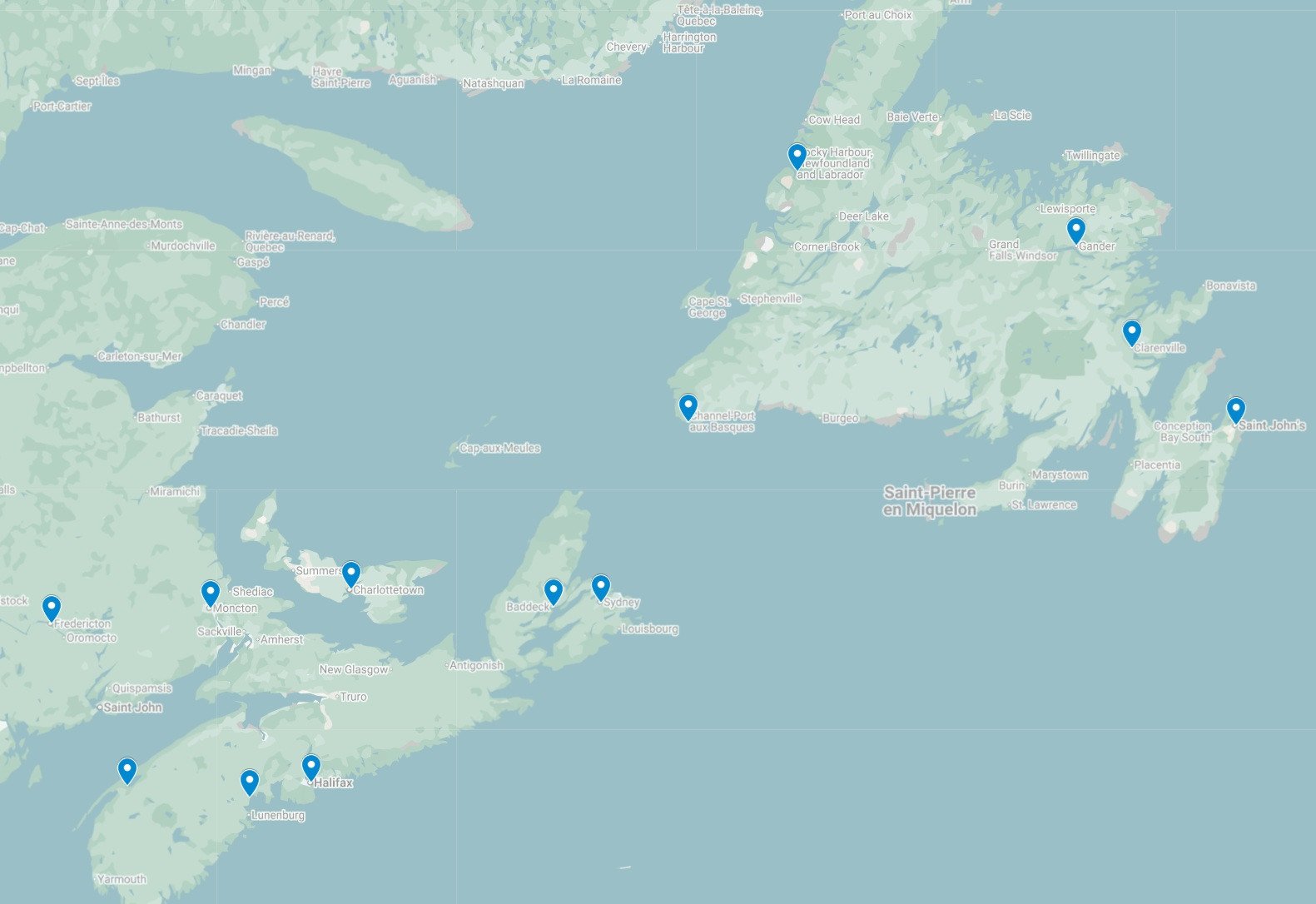
Discover the most beautiful spots in Atlantic Canada on this “Best of the East” tour, a perfect blend of rugged nature, charming villages, and lively coastal towns. Your adventure begins in maritime Halifax and takes you past picturesque fishing communities and impressive coastal landscapes toward the Bay of Fundy in New Brunswick. Highlights followed one after another: a spectacular whale-watching excursion, the tranquility of Prince Edward Island, the rugged beauty of Nova Scotia and Cape Breton, and the breathtaking nature of Newfoundland with the impressive Gros Morne National Park. A journey full of variety, pure beauty, and authentic East Coast charm—ideal for those who want to experience the Atlantic provinces at their best.
Direct flights: Air Canada offers seasonal direct flights between Brussels and Halifax (twice a week) from June to September.
Halifax is where the ocean welcomes you, history comes to life,
and every sunset feels like the start of a new adventure.
Day 1: Brussels - Halifax
After landing at Halifax International Airport, make your own way to your hotel in the heart of the city. The Exciting West roadbook you received in advance contains all the practical information you need to start your trip worry-free. You can spend the rest of the day however you like: take an introductory stroll along the harbor, browse the charming streets, or simply enjoy the relaxed maritime atmosphere of this lively coastal city.
Tip: Take a walk to the Public Gardens for a “soft landing.” These Victorian gardens are located right in the city center, yet feel like a peaceful green oasis. Halifax locals love coming here to unwind after a trip—it’s the perfect way to get into the rhythm of the East Coast right away.
Day 2: Halifax
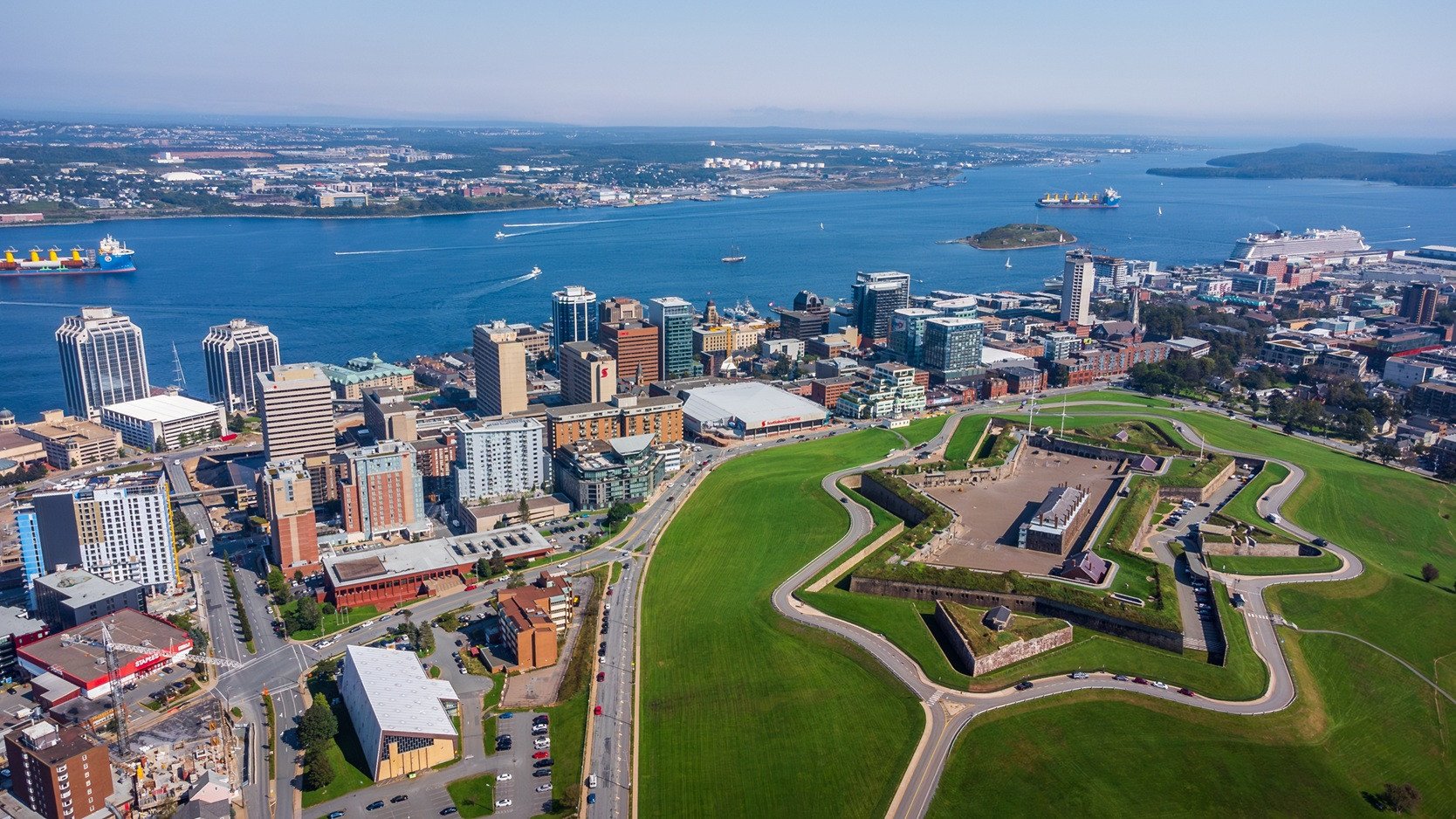
Halifax is situated on one of the world’s largest natural harbors and effortlessly blends its modern vibe with a rich history. Along the charming waterfront, you’ll learn more about the city’s proud maritime history, including the restored Historic Properties and various fascinating museums. A visit to the imposing Citadel, which has watched over Halifax since the 18th century, is a must. The colorful Public Gardens are also a wonderful place to take a break. Those who prefer to admire the city from the water can join a relaxing harbor cruise.
Tip: Rent a bike and follow the “Salt Marsh Trail” at Cole Harbour, just outside the city. This flat, traffic-free path runs along old railway lines and offers panoramic views of marshes, coastal scenery, and tranquil coves. A local favorite and a wonderful way to actively enjoy the Atlantic surroundings.
Day 3: Halifax - Western Shore
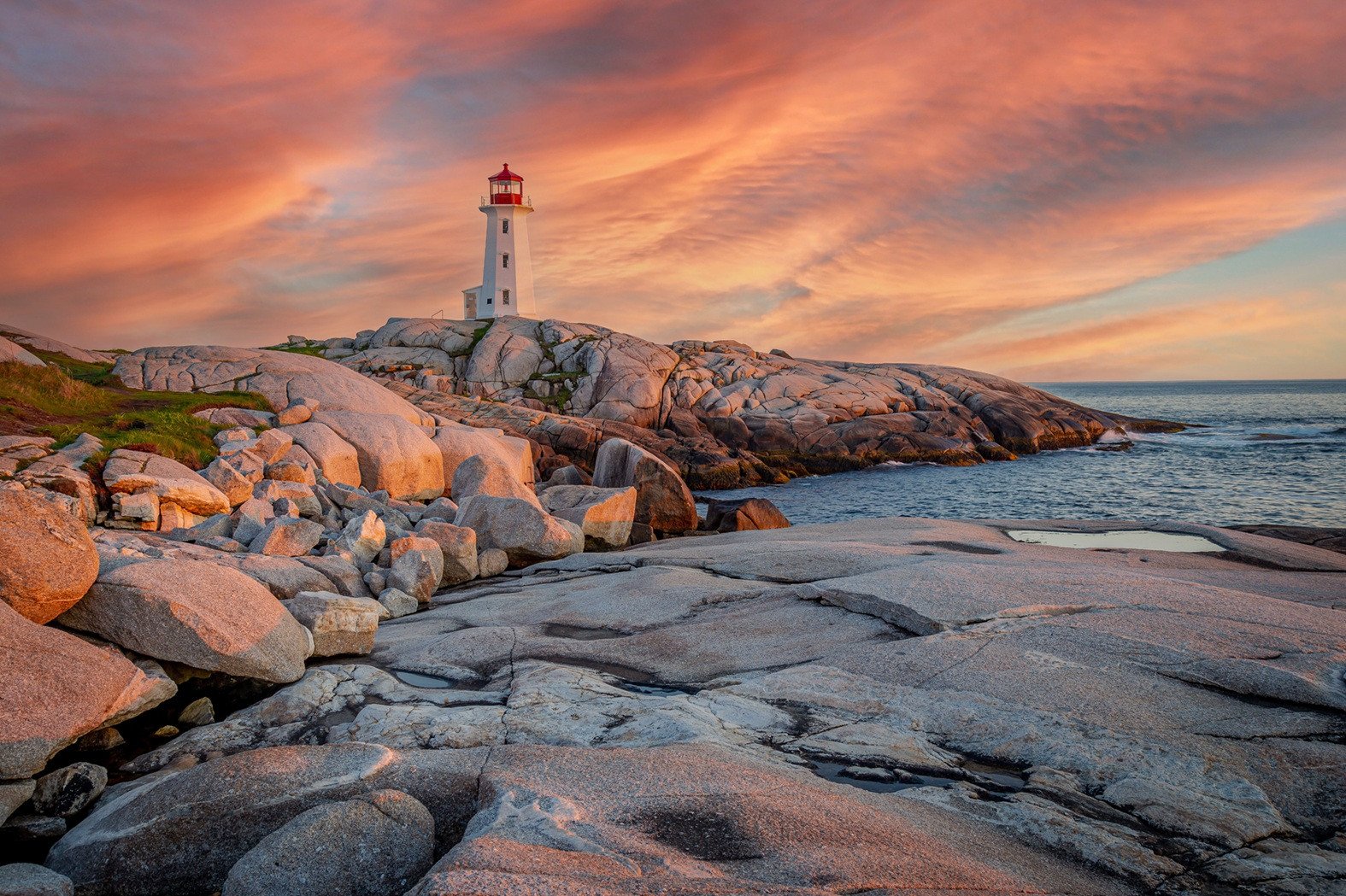
The drive along the famous Lighthouse Route takes you to the fishing village of Peggy’s Cove, one of Nova Scotia’s most iconic spots. The village is surrounded by rugged granite cliffs and open coastal scenery, with walking trails leading you to the world-famous lighthouse. The combination of the ocean, cliffs, and colorful fishermen’s cottages creates an atmosphere you won’t find anywhere else.
Tip: Take a short detour to Polly’s Cove, a much less-known hiking area just a few minutes from Peggy’s Cove. You’ll hike among the same impressive rock formations, but without the crowds. The view of the lighthouse from a distance, with nothing but ocean and rocks around you, often yields the most beautiful photos of the entire region.
Day 4: Western Shore – Kejimkujik National Park / Smith’s Cove / Digby County
Start the morning with a brief stop in charming Mahone Bay, where colorful houses and serene views instantly put you in a vacation mood. From here, a beautiful cross-country route takes you from the rocky South Shore to the lush Annapolis Valley. Along the way, you’ll enjoy impressive panoramic views of vast forests and lakes that sparkle throughout the landscape. Nature lovers can visit Kejimkujik National Park. Here, you can follow ancient Mi’kmaq canoe routes or hike along wooded trails into the heart of the wilderness. Then continue on to Annapolis Royal, once known as Port Royal, where charming boutiques, small galleries, and historic Fort Anne invite you to explore at a leisurely pace.
Tip: In Digby, try the famous “Digby scallops,” considered by many to be the best scallops in the world. They’re harvested fresh daily from the waters of the Bay of Fundy. Ask for the “pan-seared” version at a local restaurant—prepared exactly as fishing families have been doing for generations.
Day 5: Digby County / Smith’s Cove
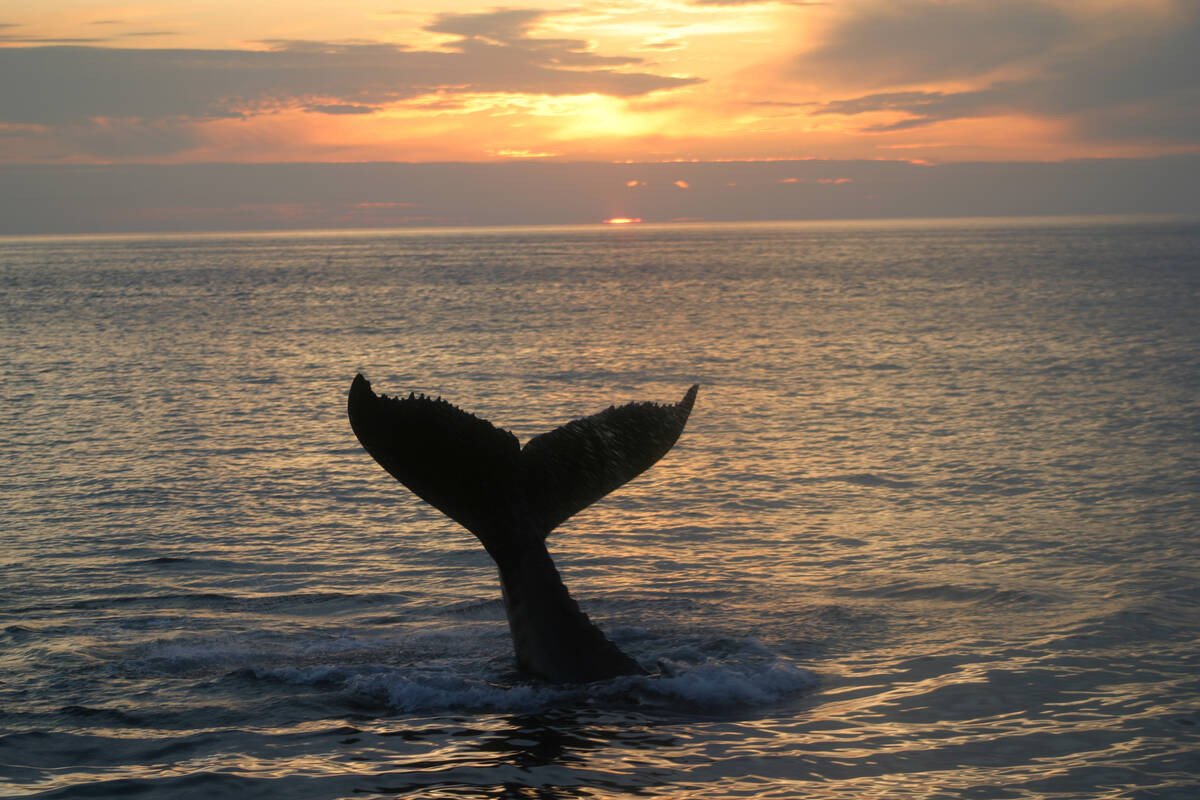
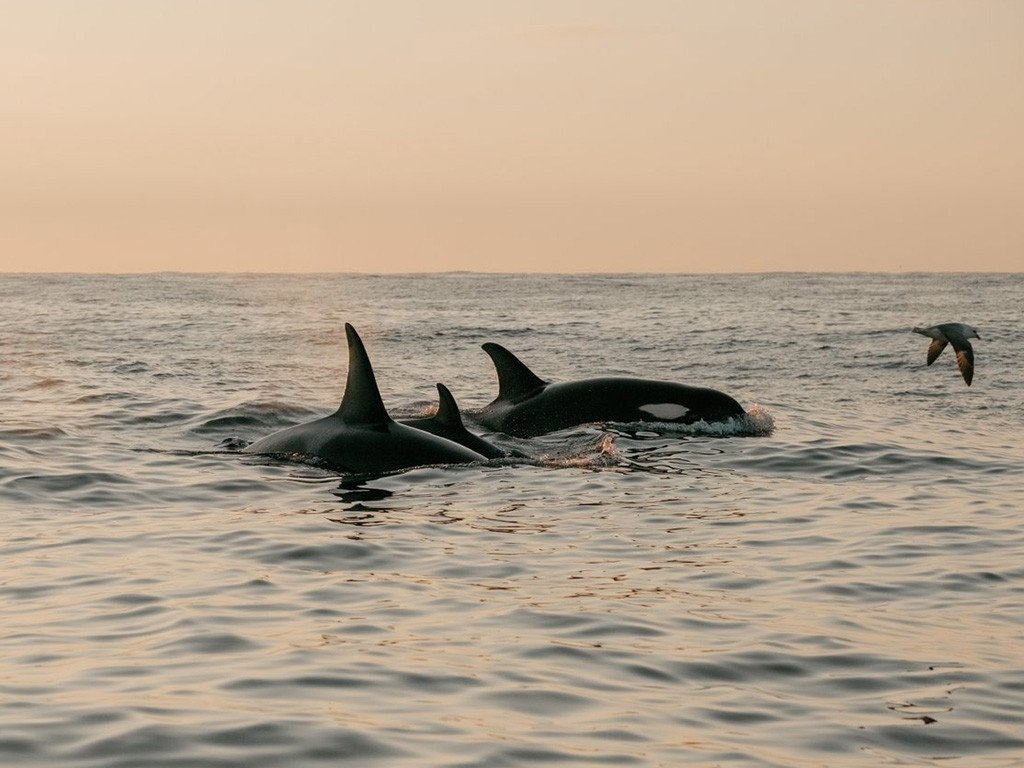
Today, you can take your time exploring the charming fishing village of Digby, a true postcard-perfect beauty with a lively harbor that is home to the world’s largest fleet of scallop fishermen. Thanks to its location, Digby is also the ideal base for a trip to Brier Island, famous for its exceptional whale-watching tours. In the Bay of Fundy, no fewer than fifteen different whale species can be spotted here, an unforgettable experience for nature lovers.
Tip: On Brier Island, take the short but spectacular “Balancing Rock Trail.” This trail leads you via wooden stairs and coastal forests to a narrow basalt column that appears to balance on the edge of the cliff. A hidden gem that many travelers overlook and a perfect addition to a day filled with nature and ocean views.
Day 6: Digby County – Fredericton
The day begins with a relaxing ferry ride across the impressive Bay of Fundy to Saint John, a charming coastal town known for the unique Reversing Falls and its historic market hall. From there, you’ll head inland toward Fredericton, a city with a laid-back atmosphere and a rich cultural heritage. If you have time, a stop at King’s Landing is well worth it—a historic village where artisans and costumed guides bring 19th-century life to life in vivid detail.
Tip: Visit the “Beaverbrook Art Gallery” in Fredericton in the evening (open on select evenings). This gallery is a beloved gathering spot for locals and houses a surprisingly strong collection of Canadian and international art, including works by Salvador Dalí. It’s an ideal way to experience Fredericton in a more refined and peaceful way.
Day 7: Fredericton – Moncton
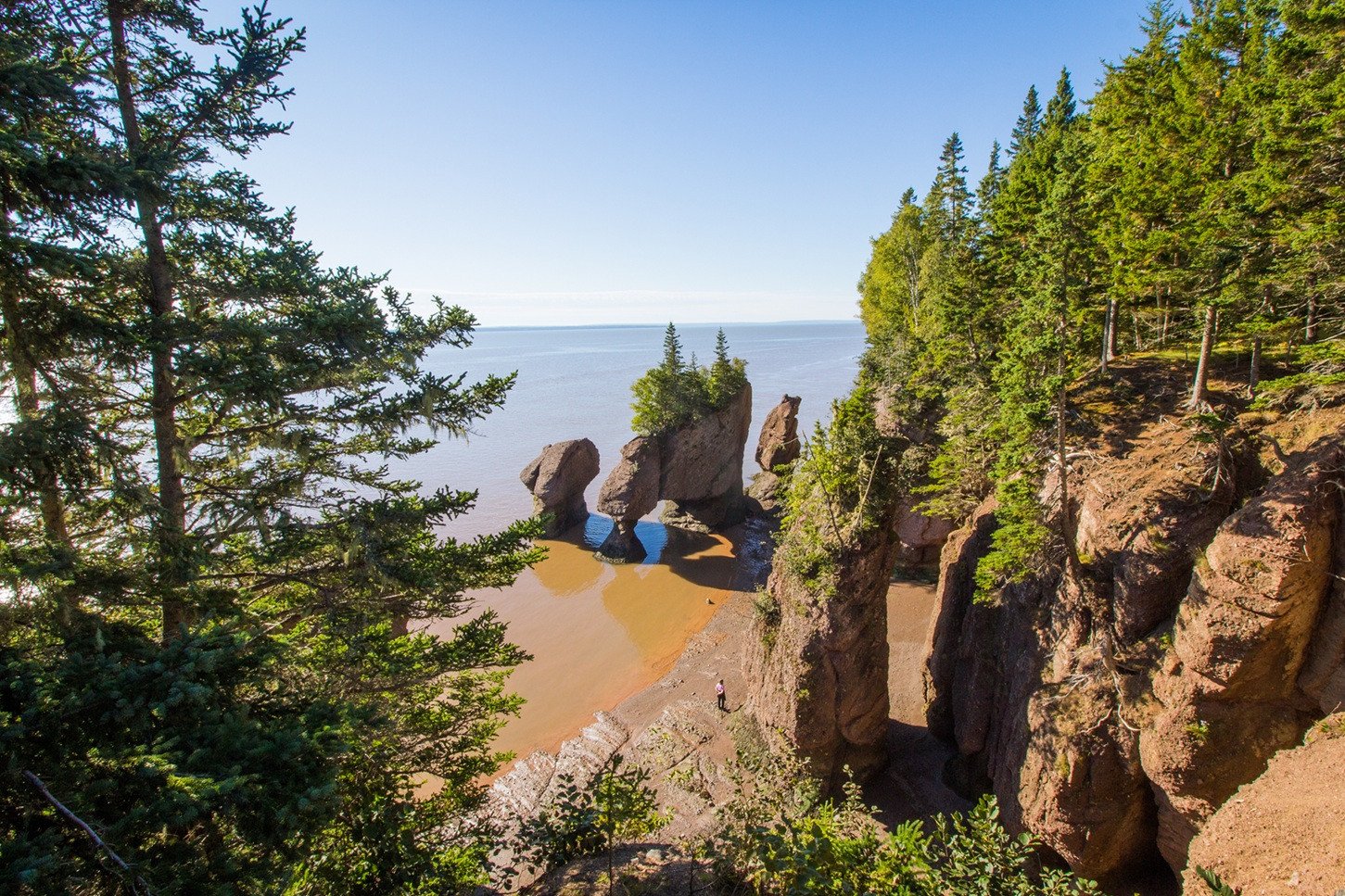
Today’s route to Fundy National Park takes you past several beloved covered bridges—charming wooden structures that instantly evoke the nostalgic atmosphere of New Brunswick. Next up is an absolute highlight: Hopewell Rocks Provincial Park, where you’ll have the chance to experience the world’s highest tides up close. At low tide, you can walk among impressive rock formations on the seabed; at high tide, those same spots disappear completely beneath the waves. Nature lovers can opt for a visit to Fundy National Park or the nearby Fundy Trail Parkway, both known for their beautiful hiking trails and views of the spectacular coastline.
Tip: After visiting Hopewell Rocks, drive on to Cape Enrage, a less-visited cape just a short distance away. The steep cliffs, rugged surf, and secluded lighthouse offer spectacular views that many travelers never get to see. On a clear day, you can even make out the outline of Nova Scotia across the bay.
Day 8: Moncton – Charlottetown
Your day begins with a drive to charming Shediac. This coastal town proudly bears the title “Lobster Capital of the World” and exudes a relaxed maritime atmosphere. From there, you’ll follow the picturesque Northumberland Coast, a region where British and Acadian influences are still strongly evident in the villages, culture, and architecture. At the foot of the Confederation Bridge, you’ll find the Cape Jourimain Nature Centre, a community-run ecotourism and education center that beautifully showcases the area’s rich nature and history. Next, you’ll cross the impressive 13-kilometer-long Confederation Bridge to Prince Edward Island, where you’ll arrive in the charming capital, Charlottetown.
Tip: Stop in Shediac at a traditional lobster shack and ask for a “lobster roll the Acadian way.” This version, with warm butter instead of mayo, is mainly eaten by locals and is hard to find elsewhere. It’s the perfect, authentic taste of the Northumberland Coast before you head to Prince Edward Island.
Day 9: Charlottetown
Today you have plenty of time to explore Charlottetown at your own pace. The city charms visitors with its elegant Victorian homes, stately squares, and a warm, small-town atmosphere. Despite its modern appearance, Charlottetown still exudes the spirit of a colonial port city, especially in charming streets like Great George Street and historic Old Charlotte Town. Nature lovers can visit Prince Edward Island National Park, where red cliffs, quiet beaches, and dunes define the landscape. Of course, a stop at the famous Anne of Green Gables House is a must—an iconic piece of Canadian literature and heritage.
Tip: Go kayaking in North Rustico Harbour, a short distance from Charlottetown. The calm, sheltered waters are perfect for beginners and beloved by locals for an evening paddle. You’ll glide past red sand cliffs, small fishing huts, and quiet creeks where blue herons and seabirds often forage. A sporty activity that lets you experience the island’s tranquility in a truly pure way.
Day 10: Charlottetown – Baddeck
Today’s route takes you past the Orwell Corner Historic Site, after which you’ll take the ferry across the Northumberland Strait toward Nova Scotia. After the crossing, you’ll drive through a peaceful landscape dotted with small communities where Scottish, Mi’kmaq, and Acadian influences are still evident in traditions, language, and architecture. As you continue driving, the ocean narrows to the eastern reaches of the Northumberland Strait, right at the threshold of Cape Breton Island near St. George’s Bay. The road then winds through gently rolling fields that gradually give way to the beautiful lowlands surrounding Bras d’Or Lake. Eventually, you’ll arrive in Baddeck, a charming village known as the gateway to the Cape Breton Highlands.
Tip: In the evening, visit a traditional “Ceilidh” (pronounced kay-lee) in Baddeck or a nearby community. These are intimate musical evenings featuring fiddle, guitar, and storytelling—authentic, local, and heartwarming. You’ll sit among islanders and experience the Celtic spirit of Cape Breton in a way you won’t find anywhere else.
Day 11: Baddeck – Sydney
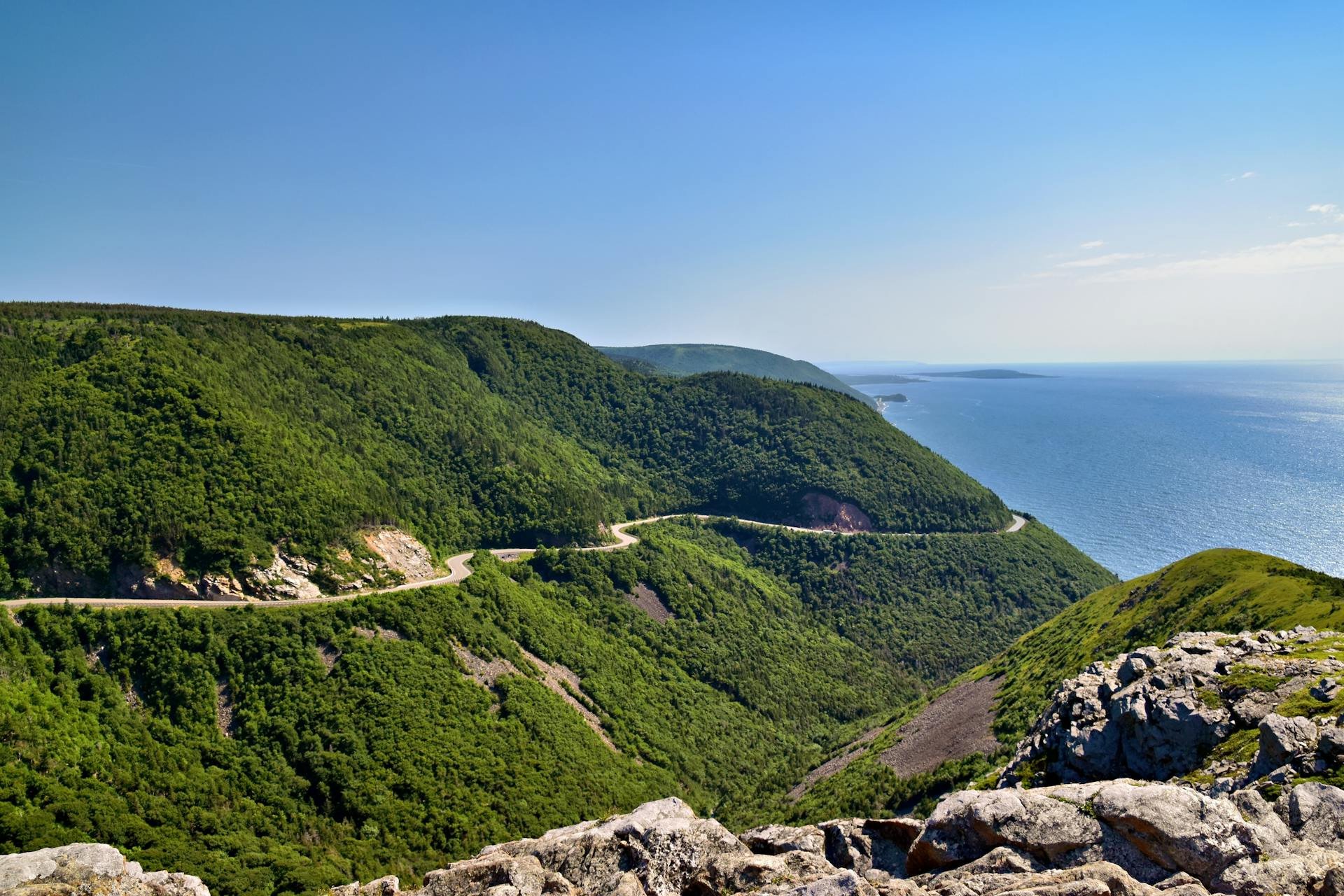
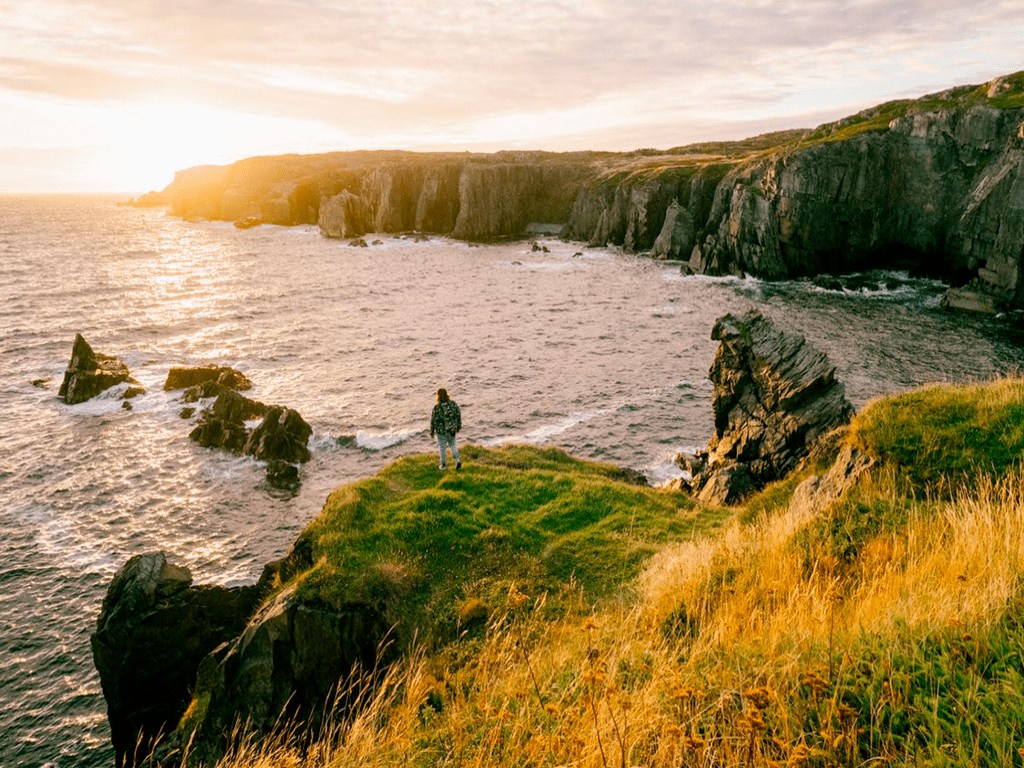
An early start pays off today, giving you plenty of time to drive the famous Cabot Trail, one of the most spectacular scenic routes in all of Canada. The road winds past sea-battered headlands, steep cliffs, and long, pristine beaches, with new views emerging around every bend that almost compel you to pull over for a moment. Later in the day, you’ll continue on to Sydney, a former mining town with a unique blend of history and maritime charm.
Tip: Take the short “Middle Head Trail” near Ingonish Beach along the way. This easy, 3.5-kilometer hike runs along a narrow headland with spectacular views of the rugged coastline on both sides. It’s one of the locals’ favorite “quick hikes” and ideal for not only seeing the Cabot Trail but also truly experiencing it.

Day 12: Sydney – Port aux Basques
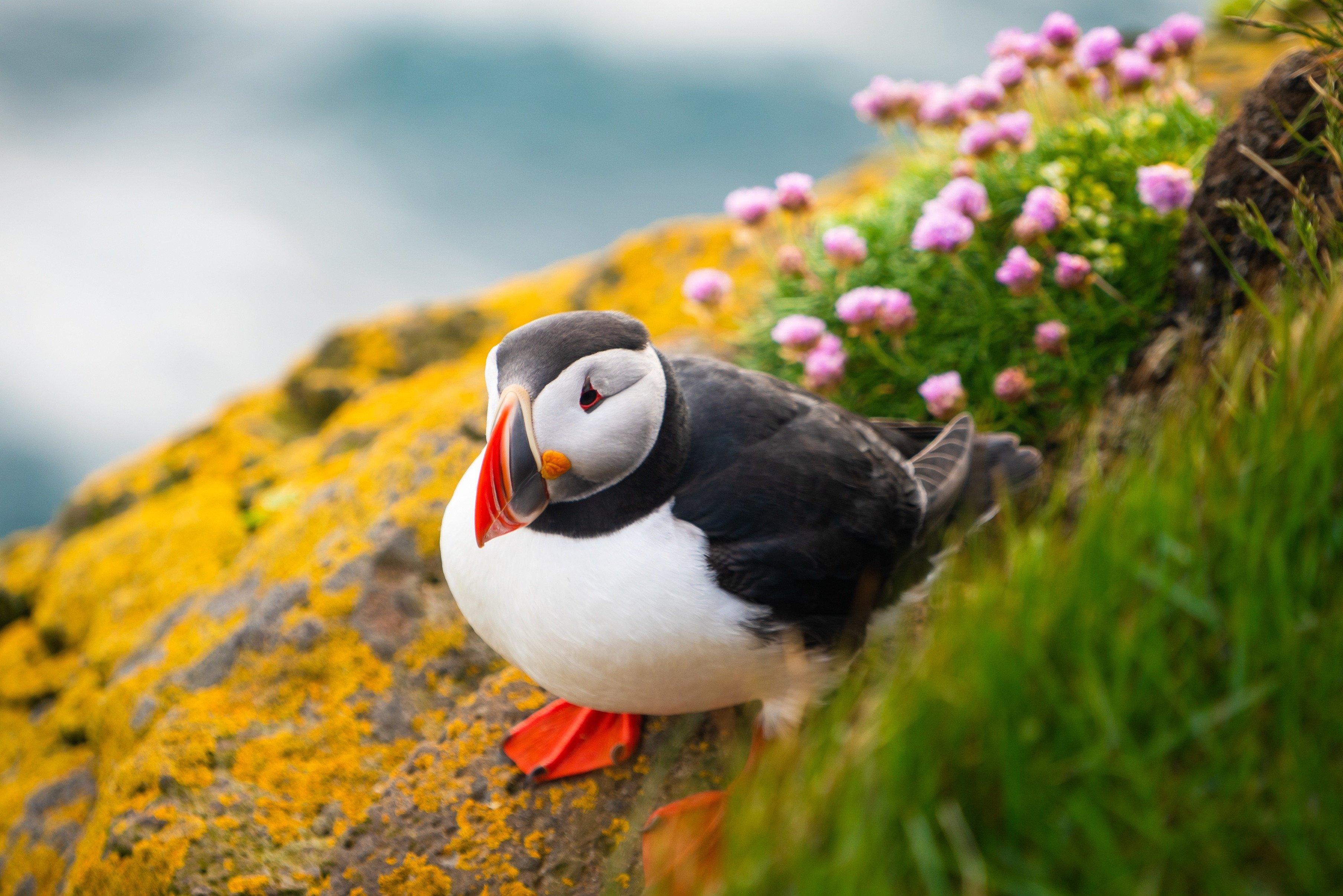
Before you leave, it’s worth taking a stroll along Sydney’s beautiful boardwalk—a peaceful way to start the morning. Then drive to the ferry terminal for the day-long crossing of the Cabot Strait toward Newfoundland. During the crossing, keep a sharp eye out: with a little luck, you might spot whales, dolphins, puffins, or birds of prey nesting along the impressive cliffs. The rugged beauty of the Atlantic Ocean is at its purest here. At the end of the day, you’ll dock in Port-aux-Basques, where you’ll disembark and drive to your accommodation.
Tip: After arriving, drive to Scott’s Cove Park, a small local seaside promenade that is often overlooked by travelers. From the wooden piers, you’ll have a stunning view of the bay, and on a clear day, you’ll see the ferry that just brought you here setting sail again—a simple yet special moment that many travelers describe as unexpectedly emotional.
Day 13: Port aux Basques – Rocky Harbour / Cow Head / Norris Point
Today’s route takes you along the Trans-Canada Highway to the world-famous Gros Morne National Park, one of Newfoundland’s most impressive natural areas. Along the way, you can stop in Corner Brook, a picturesque town where you can enjoy a leisurely lunch and take a stroll through the streets before continuing your journey. Once you arrive in the Gros Morne region, it’s definitely worth visiting one of the visitor centers. There, you’ll learn more about the unique geology, hiking trails, and extraordinary landscapes that make this park so exceptional.
Tip: Stop by the small “Antique Shop & Tea Room” cottage in Cox’s Cove along the way. This charming, barely marked cottage is run by a local family and feels like a time capsule of Newfoundland’s original fishing life. You can admire handmade quilts, woodwork, and antique household items, and sample a cup of traditional Newfoundland “boiled raisin tea.” A warm, unexpected encounter with the region’s culture, far from the classic tourist stops.
Day 14: Rocky Harbour / Cow Head / Norris Point
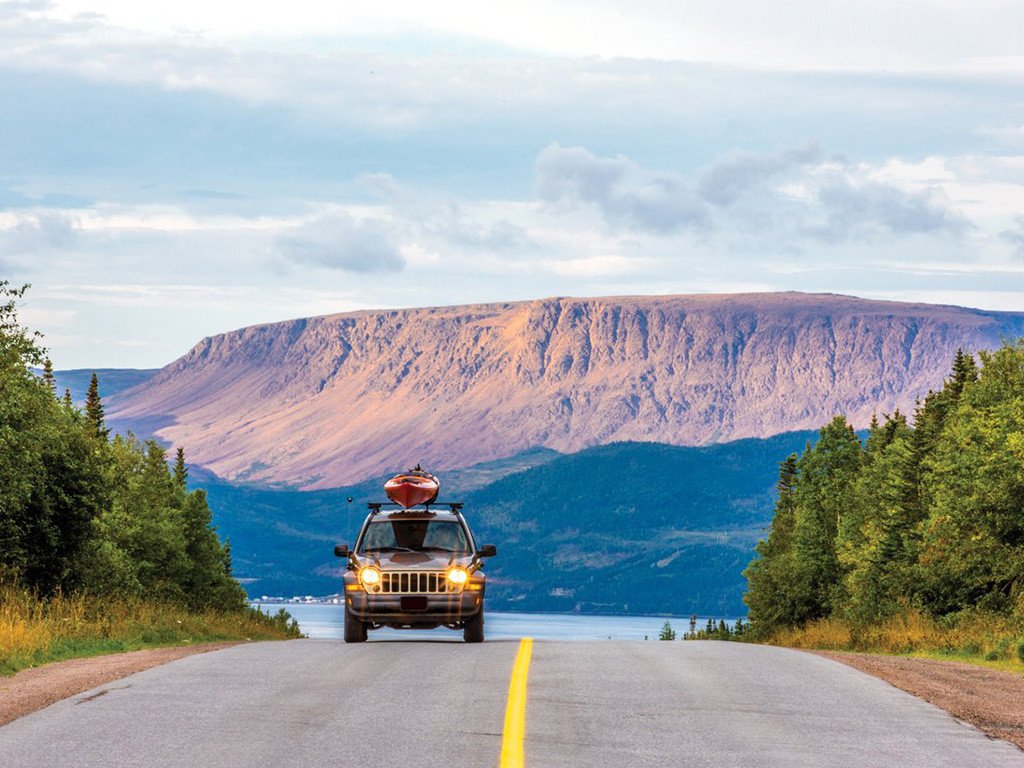
Today is all about Gros Morne National Park, a UNESCO World Heritage Site with landscapes found nowhere else in the world. You can explore the spectacular fjords of Western Brook Pond, take a boat tour on Bonne Bay, or follow one of the many hiking trails that lead deep into nature. Be sure not to miss the Tablelands, a surreal landscape of orange rock where you literally walk on the Earth’s mantle—a rare geological phenomenon that makes this region so special. For a quieter moment, Lobster Cove Head Lighthouse is a lovely spot for a picnic, with a small exhibition on local heritage and stunning views of the ocean.
Tip: Head to the shoreline at Norris Point or Rocky Harbour at sunset. On clear evenings, you’ll see a soft pink glow fall over the peaks of Gros Morne—a play of light that only the locals truly know and that travelers often describe as the most beautiful moment of their stay. It’s the perfect place to end the day in silence and wonder.
Day 15: Norris Point - Gander
Today you’ll travel eastward straight through the interior of Newfoundland, where vast forests and rugged rock formations create an almost primeval landscape. Along the way, you can stop in Grand Falls–Windsor, one of the main hubs of Central Newfoundland. Here you’ll find the Salmonid Interpretation Centre, where you can learn all about the salmon run and see the impressive fish ladder. Then continue on to Gander, a city that played a crucial role during World War II thanks to its strategically located airport. To this day, Gander exudes a unique aviation history.
Tip: In Gander, visit the small 9/11 memorial and the “Coastliners” art project. When dozens of planes made emergency landings on September 11, 2001, the people of Gander took in thousands of stranded travelers. The memorial tells this extraordinary story of humanity and hospitality in a modest, moving way—a visit that unexpectedly touches many travelers.

Day 16: Gander – Terra Nova National Park / Clarenville
On your way to Clarenville, you’ll traverse the peaceful and unspoiled wilderness of Terra Nova National Park. This area is known for its quiet fjords, deserted beaches, and vast forests where moose, black bears, and foxes call home. You can follow one of the many hiking trails or explore the coast by kayak for a completely different perspective on this beautiful landscape. With a little luck, you might spot minke, pilot, or humpback whales near the coast, while dolphins and even orcas are also seen in Bonavista Bay.
Tip: Try a traditional “touton breakfast” in Clarenville. This simple, golden bread dough is freshly pan-fried and served with molasses or butter, and is an absolute favorite among Newfoundlanders. A warm, local dish that tastes better here than anywhere else in the world.
Day 17: Clarenville – St. John’s
A scenic drive along the Trans-Canada Highway takes you to the east coast of Newfoundland today. Along the way, you’ll pass through Conception Bay, an area where the atmosphere of pirates, tall ships, and ancient legends is still palpable. The frequent fog lends the coastal parks and small villages an almost mystical aura. You’ll continue on to St. John’s, the province’s lively capital. Here, colorful streets, steep hills, and the surrounding cliffs create a setting that instantly charms and inspires.
Tip: On a clear day, drive to the Sugarloaf Path Lookout, a lesser-known vantage point just outside the city. This viewpoint, popular with locals but rarely visited by tourists, offers a spectacular view of the cliffs, the ocean, and the distinctive skyline of St. John’s. Especially in the late afternoon, the city glows beautifully, a perfect moment for unique photos and a quiet, magical end to your day.
Day 18: St. John's
Today you’ll have plenty of time to explore St. John’s and the surrounding coastline. As one of North America’s oldest cities, the historic downtown is brimming with character: steep, narrow streets lead you toward Signal Hill, where history and ocean views come together. Further along lies Cape Spear, the easternmost point of Canada and home to the oldest surviving lighthouse in Newfoundland & Labrador, a place that feels both rugged and impressive. Back in the city, you’ll find a lively mix of colorful houses, vibrant nightlife, and numerous festivals that add extra atmosphere to the summer months.
Tip: Have your “screech-in” at a local pub. This traditional, humorous welcome ritual—complete with rum, a brief pledge, and sometimes even a kiss on a cod (yes, really!)—is considered by Newfoundlanders to be the definitive way to officially make visitors “honorary Newfoundlanders.” It’s lighthearted, fun, and a guaranteed evening full of stories.
Day 19: St. John's – Sydney
Today you’ll say goodbye to Newfoundland and drive across the Avalon Peninsula toward the ferry terminal in Argentia. As soon as you board, a relaxing crossing of the Atlantic Ocean begins—a wonderful way to conclude your journey through the eastern provinces.
Tip: Shortly after departure, head out to the open deck to watch the Newfoundland skyline slowly fade away. This simple moment—the wind, the ocean, and the island growing smaller and smaller—is experienced by many travelers as the perfect, almost symbolic conclusion to their adventure in Atlantic Canada.
Day 20: Sydney - Liscomb Mills
After disembarking from the ferry, drive south along the coast toward Liscomb Mills, a tranquil spot where nature still takes center stage. Along the way, you can stop at Sherbrooke Village, a living open-air museum where costumed guides bring 19th-century village life to life with surprising authenticity. Once you arrive in Liscomb Mills, you can settle into your accommodations at your leisure and explore the surroundings. The windswept coastlines, quiet forests, and babbling rivers provide a particularly atmospheric end to your day.
Tip: Take a walk along part of the Liscomb River Trail, a beautiful path that winds along the river, passes through forests, and ends at a charming wooden suspension bridge. It’s a favorite route among locals, ideal for stretching your legs and truly experiencing the serene nature of this region.
Day 21: Liscomb Mills – Halifax – Brussels
Today marks the start of the final leg of your vacation. From Liscomb Mills, you’ll drive back to Halifax, where you’ll check in at the airport for your return flight. Take a moment to reflect on all the breathtaking landscapes, encounters, and experiences that have made this journey through Atlantic Canada so special.
Tip: Make a quick stop at a scenic overlook along Highway 7 and take a moment to breathe in the ocean air. Many travelers find this a lovely way to wrap up their adventure: one last look at the Atlantic coast before flying back home.
Day 22: Brussels
Arrival in Brussels after a comprehensive, varied, and unforgettable tour of Atlantic Canada. The memories of nature, cities, and culture will stay with you for a long time to come.
Are you dreaming of a trip to the U.S. or Canada? Feel free to contact us.
We’ll listen to your wishes and work with you to plan a trip that’s perfect for you.